
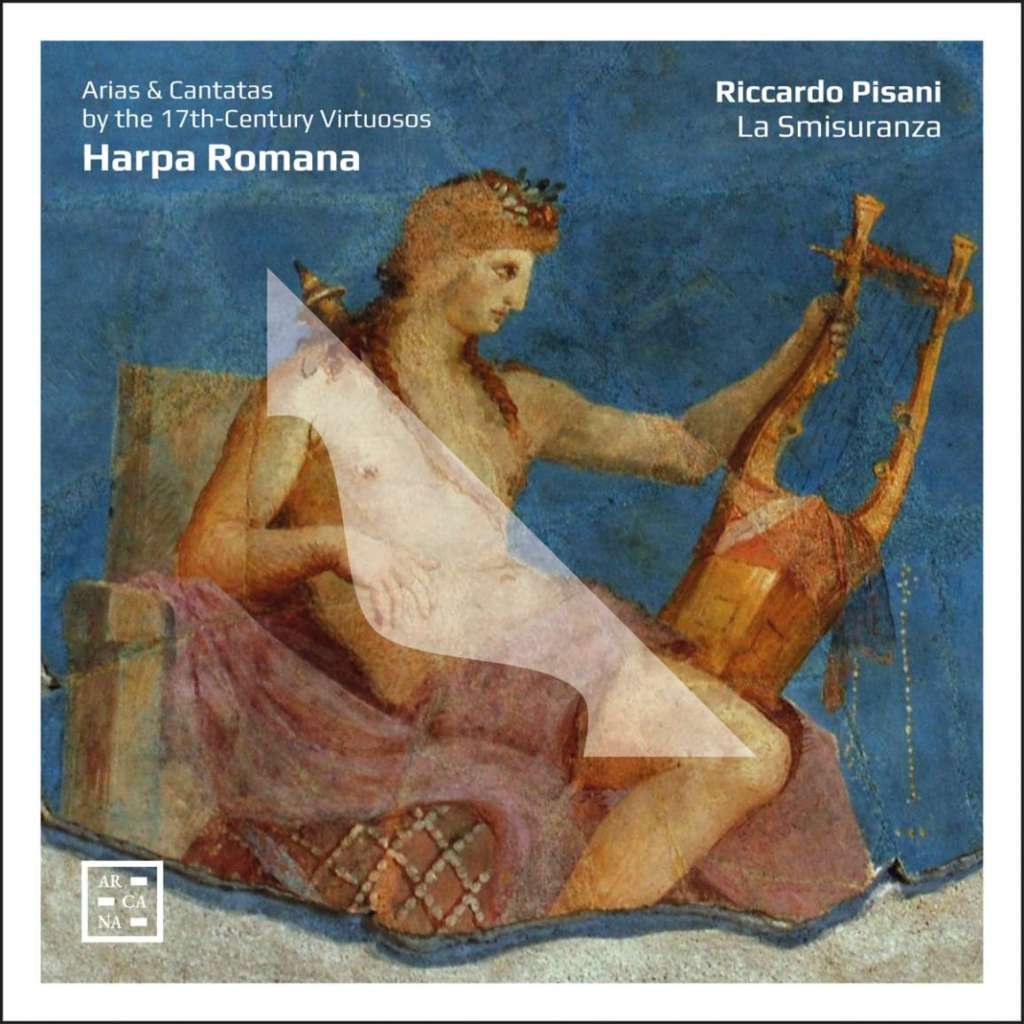
Composer | Orazio Michi, Marco Marazzoli, Giovan Carlo Rossi, Stefano Landi, Luigi Rossi, etc.
Artist | Riccardo Pisani, tenor
La Smisuranza
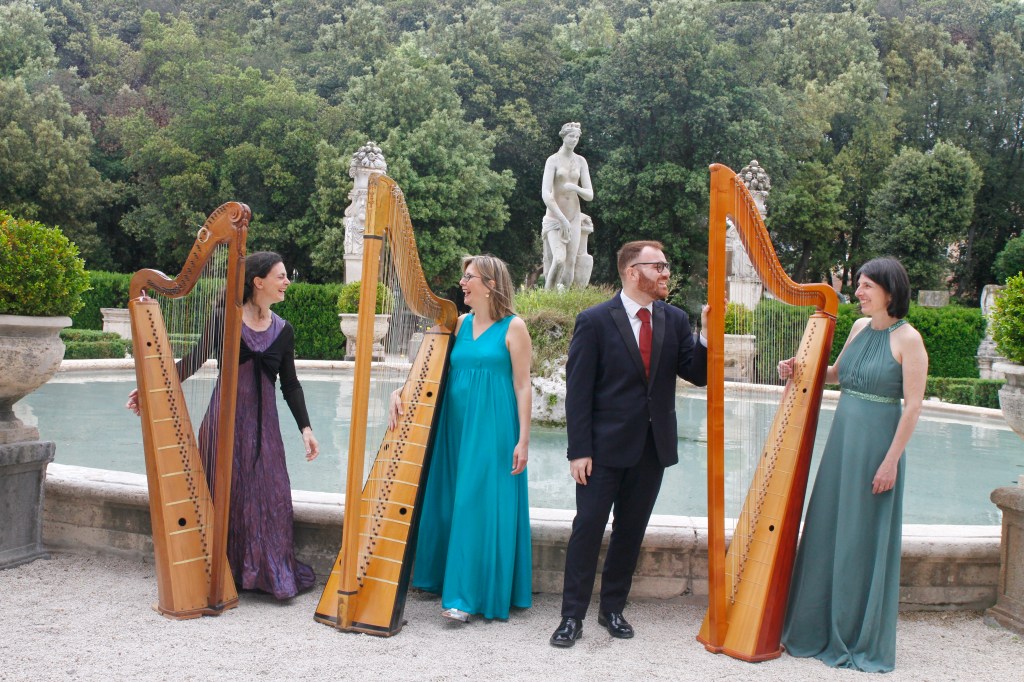
Chiara Granata, harp
Marta Graziolino, harp
Elena Spotti, harp
Format | 1 CD – 2024
Label | Arcana
Diapason
Ces raretés en majorité inédites sont défendues avec un engagement sans faille par les harpes de La Smisuranza, dont ravit la palette quasi orchestrale. Riccardo Pisani est aussi pour beaucoup dans la réussite de ce projet : fort d’un ténor assuré et agile, il passe de la déclamation à la danse sans esbroufe, pour incarner une panoplie d’affects avec une exemplaire sprezzatura. Frédéric Degroote
Musica

Questo interessantissimo repertorio è ora interpretato dal tenore Riccardo Pisani, cantante che ha ampiamente approfondito la prassi esecutiva barocca, facendo un accorto ricorso della diminuzione, insieme ad un ricco apparato di abbellimenti, dimostrando sempre una notevole flessibilità e oculatezza. Se a ciò aggiungiamo la qualità di una voce omogenea e brunita, utilizzata con la dovuta sensibilità e duttilità, possiamo ritenere del tutto esemplare l’intero percorso qui offerto. Claudio Bolzan
Amadeus

Un progetto che mira a ridare un volto ad alcuni autori virtuosi d’arpa che svolsero la proprio carriera proprio in quella Roma barocca verso cui l’ideale viaggio nel tempo proposto da questa ammaliante esecuzione conduce. La linea del basso continuo, realizzata dalle tre arpe, esalta efficacemente gli affetti di un teatro immaginario a cui Pisani dà voce cangiante. Luisa Sclocchis
American Record Guide
This is an excellent anthology of Roman music from the early 17th Century associated with a group of composers—Marco Marazzoli, Orazio Michi, and Giovan Carlo Rossi—all of whom were given the nickname by their contemporaries, ‘dell’Arpa’. […] Riccardo Pisani (tenor) is a very effective advocate for this repertoire, especially evident in the lament by Giovan Carlo Rossi’s brother, Luigi Rossi, ‘Lasciatemi qui solo’. The harps supply supportive and imaginative accompaniments to the songs. A fascinating and enlightening recording of this repertoire. Charles Brewer
Music Paper
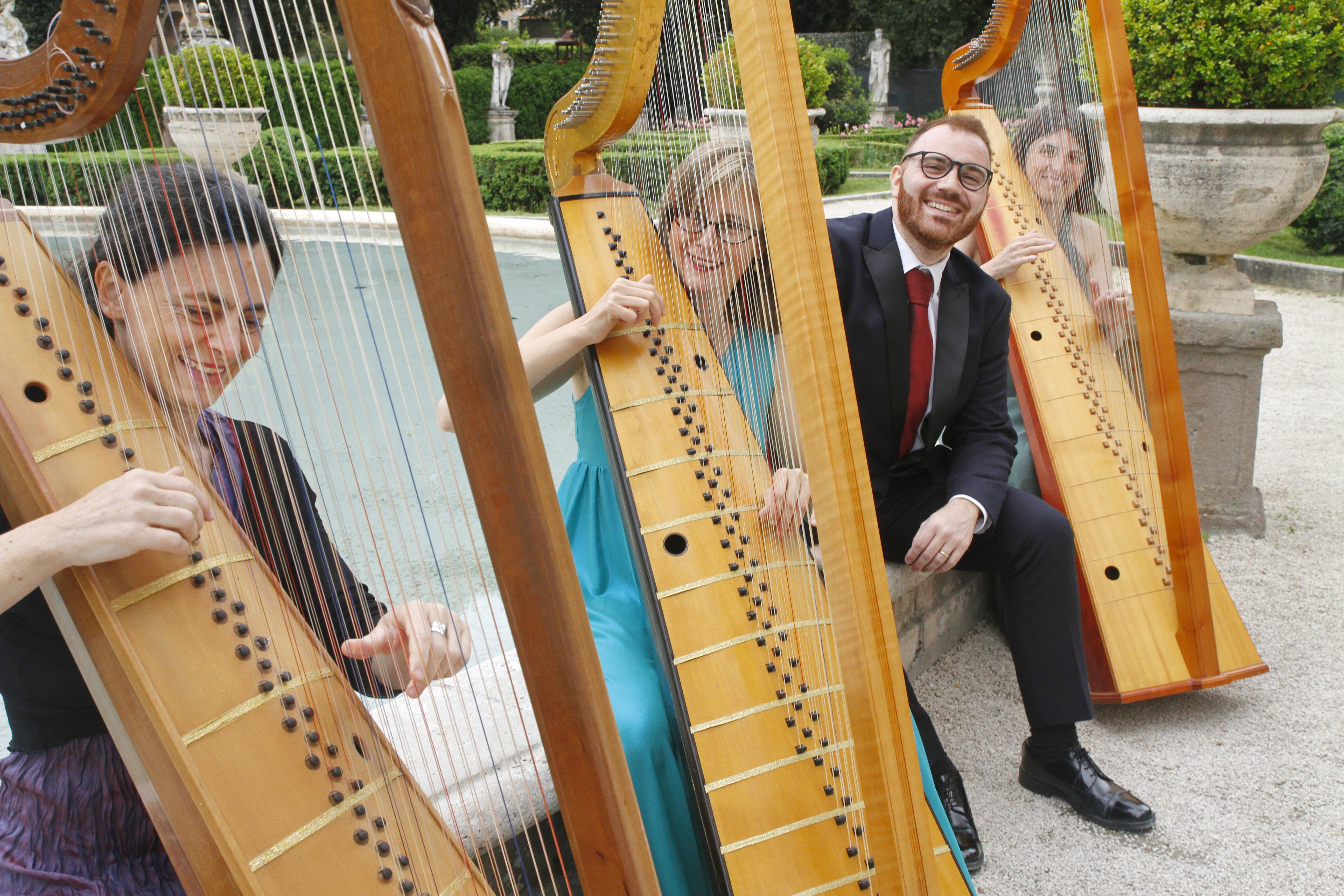
L’ottimo tenore Riccardo Pisani si cala con morbida declamazione in un mondo di inquieta umanità (e vengono in mente alcuni dipinti del Caravaggio). Mentre le tre arpe doppie (copie di esemplari coevi) dell’ensemble La Smisuranza vanno al di là di una buona interpretazione, trasmettendo quel senso di antica classicità rimodulata dalla cultura secentesca, che tanto fece amare questo strumento nella Roma barocca. Massimo Rolando Zegna
De Staandard
The versatility of the combination of harps is astonishing. At times it sounds like a guitar, theorbo, or lute, even a psaltery or clavichord. The virtuosos of the Roman harp knew their style, as evidenced by the arpeggios that also extend to the vocal parts. These are supported by Riccardo Pisani: a tenor who sometimes adds a touch of noir, sometimes a hint of naïveté, and who manages to maintain vocal focus in the resonant church of Santa Maria del Campo, in northern Italy.
Operaclick
Riccardo Pisani ha il timbro e l’approccio ideale per questo repertorio. Recita, valorizza il testo, scolpisce le parole, le unisce in modo mirabile alla musica con elegante eloquenza come nel lungo declamato “Perdan quest’occhi il sole”. Sa cantar d’amore con stile asciutto e per questo ancora più convincente, accompagnato da tre arpiste eccellenti, Chiara Granata, Marta Graziolino ed Elena Spotti. Daniela Goldoni
Presto Music
Ensemble La Smisuranza offer a fascinating look at the instrument’s development in the Renaissance, and its use to accompany the voice. Tenor Riccardo Pisani gets in touch with his inner Orpheus in this gorgeous and often intimate recital, shining some much-needed light on the music of harpist-composers such as Leonardo Mollica, Orazio Michi and Giovan Carlo Rossi. David Smith
Musikansich
Dabei verschmelzen die Harfen zu einer Art Super-Laute. Ihre große Tessitura und die obertonreichen mineralischen Farben sind die Voraussetzung für einen eindrucksvollen Klang. Sie mischen sich zudem sehr gut mit Pisanis vollem und dunkel getönten, dabei graziösen Tenor. Dieser erweist sich als ein wandlungsfähiger Gestalter, der stufenlos zwischen sprechendem Rezitativ und ariosem Gesang hin- und herwechselt und die Musik überaus einnehmend zu Gehör bringt.
Einige rein instrumentale Bearbeitungen runden das Ganz ab. Die Verbindung von resonanztiefem instrumentalem Wohlklang und affektgeladener vokaler Theatralik trägt über die rund 70 Minuten, die dieses Konzert währt. Georg Henkel
About this album
“What I have that is most precious I will preserve in my own name”. This is most likely the belief that guided a series of harpists – ranging from Leonardo Mollica, the most renowned virtuoso of the late Renaissance, to Orazio Michi, Marco Marazzoli and Giovan Carlo Rossi (brother of the better-known Luigi) – to change their names to Leonardo, Orazio, Marco, and Carlo “dall’Arpa” respectively. Although none of the above were actually born in Rome, this was the place where their careers played out. Restoring an identity to these musicians is the express aim of this recording project. And the resulting portraits of these virtuosos of the “queen of instruments” are the outcome of lengthy research, study, transcription and arrangement carried out by Riccardo Pisani and Chiara Granata.
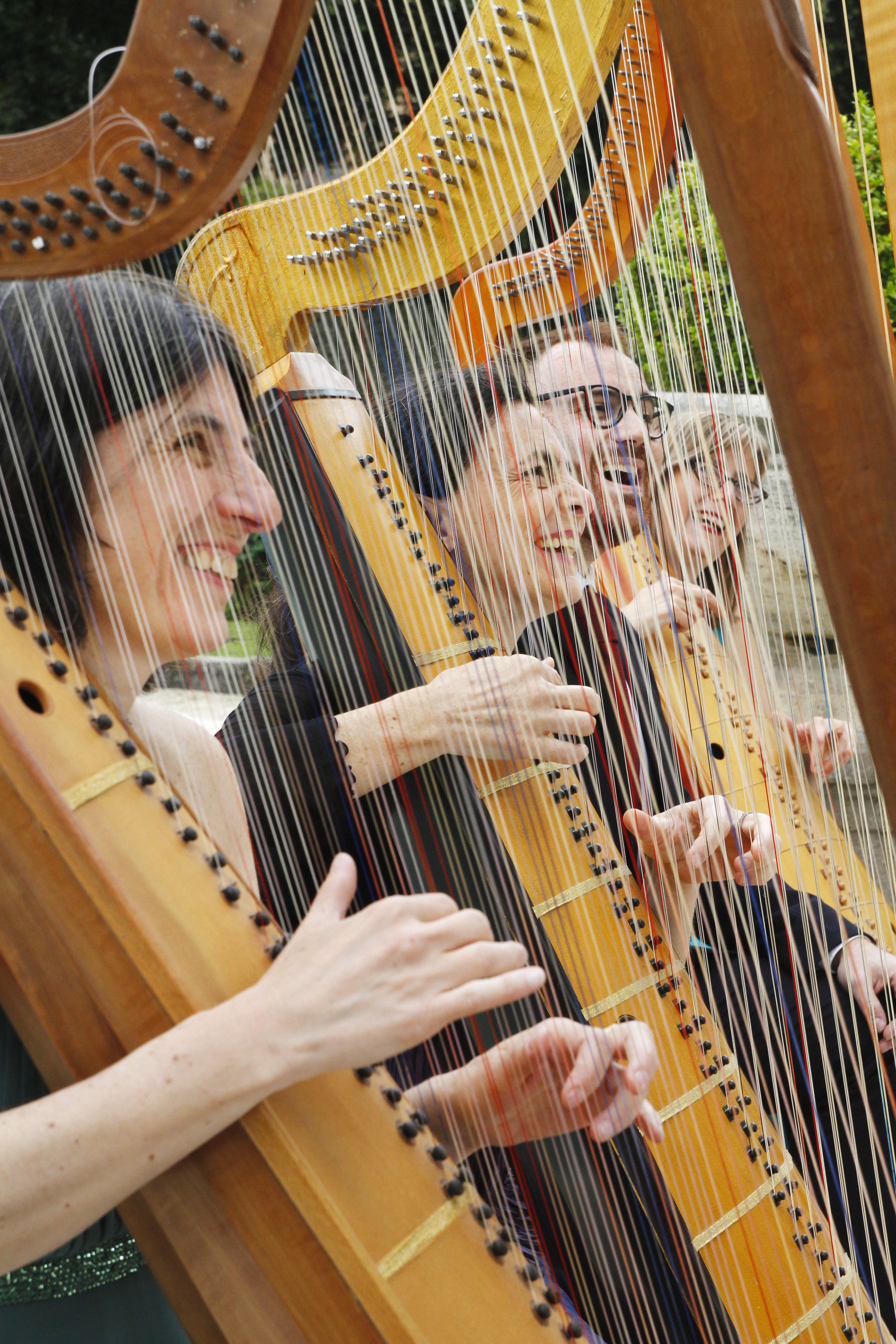
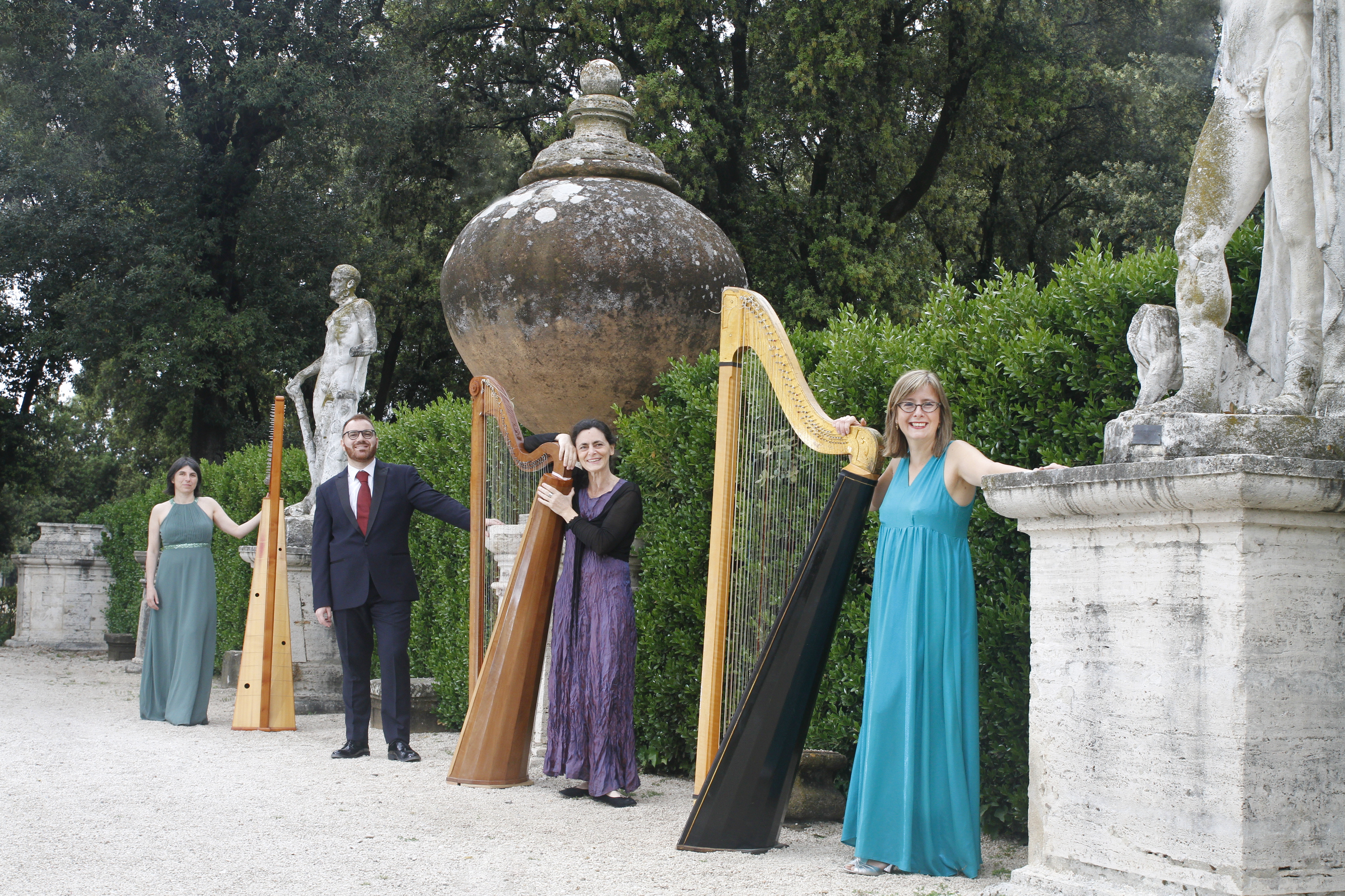
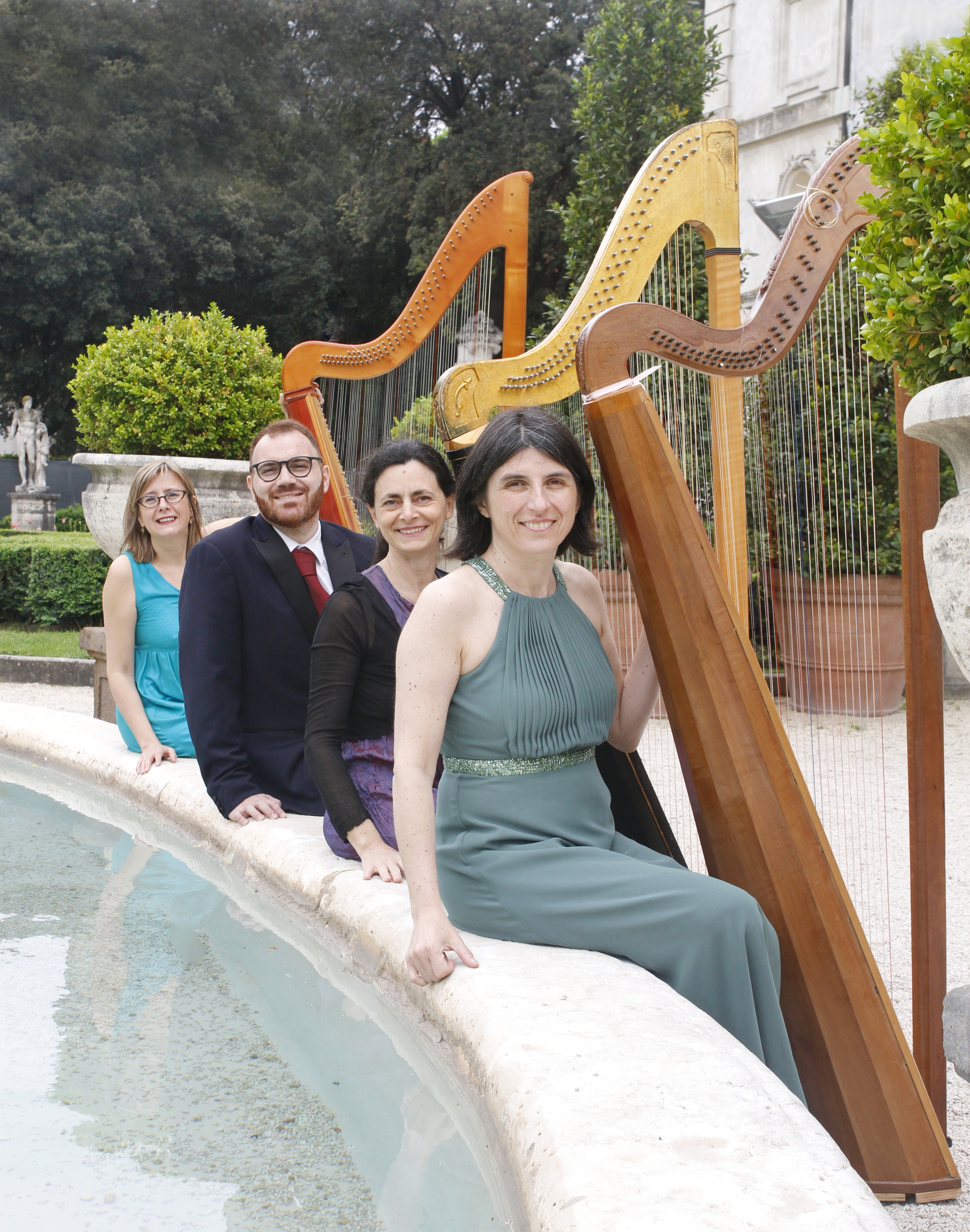
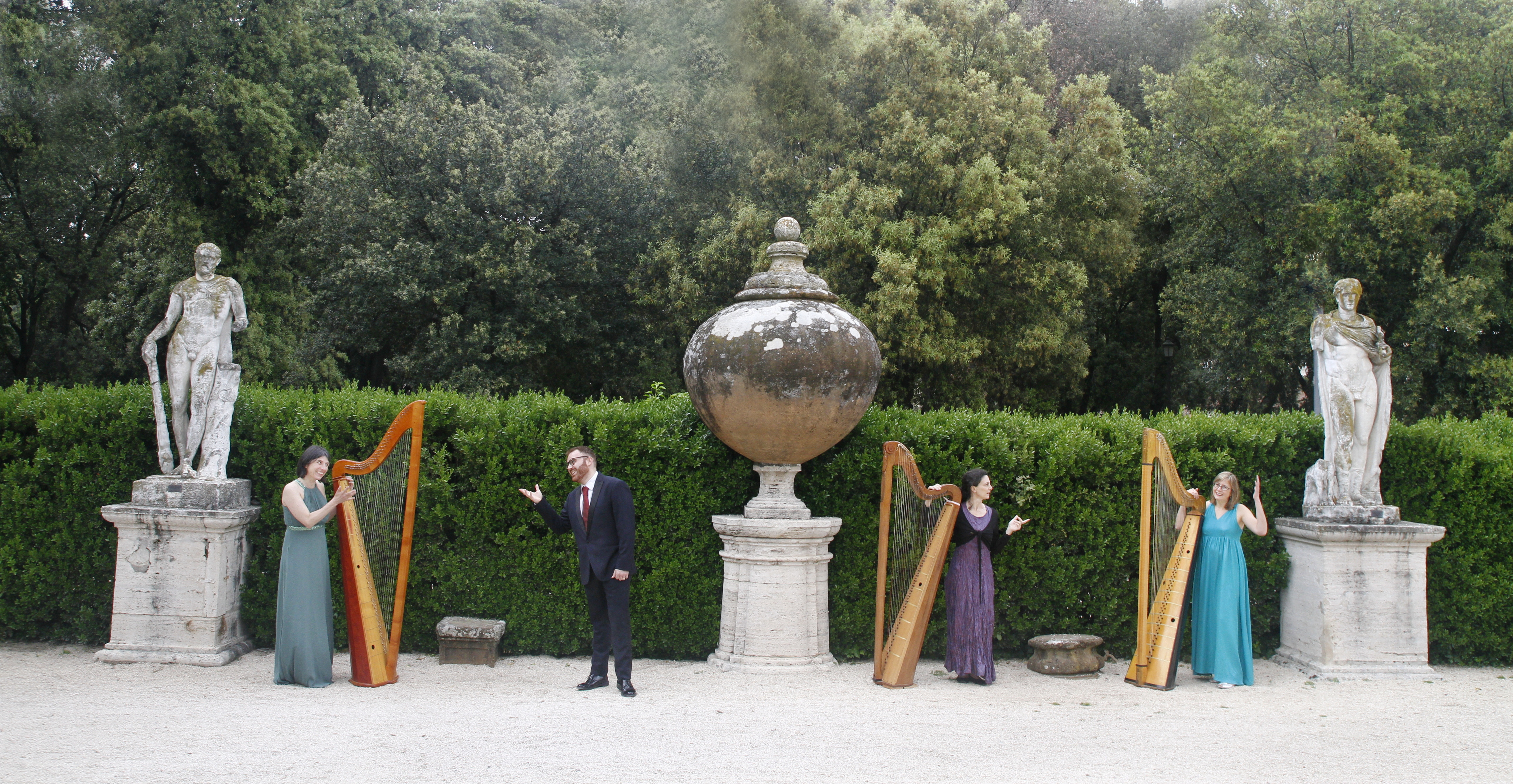
The ensemble La Smisuranza, with its unique formation of three double harps, accompanies the tenor Riccardo Pisani in this exhilarating musical journey, characterised by vibrant and ever-changing instrumental textures that alternate moments of intimacy and exuberance in accordance with the poetic text set to music. Pisani, a singer “gifted with a warm, seductive voice” (Diapason) presents the music of his home city after the recent success of La Cetra di Sette Corde, a recording dedicated exclusively to the 17-century tenor Francesco Rasi.

 Riccardo Pisani